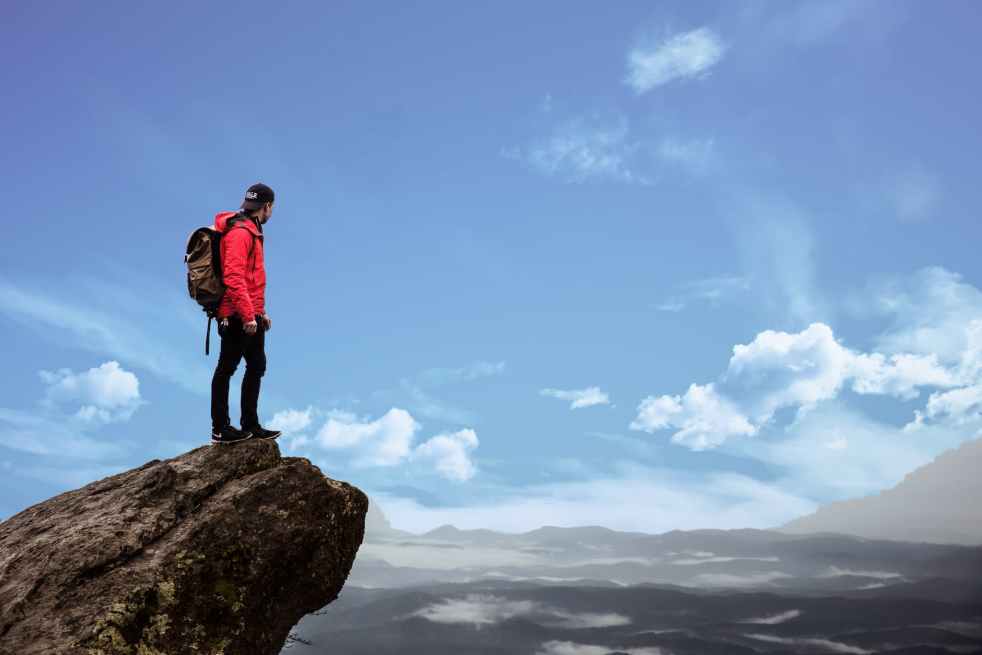
Feeling fear while climbing is entirely natural, and recognizing that you’re not alone in this experience is vital. Many climbers, both amateurs and professionals, have shared stories similar to my own about having a fear of heights before embarking on their climbing journeys. This fear isn’t exclusive to newcomers; even seasoned climbers and renowned professionals deal with it. A while back, while browsing YouTube, I stumbled upon an interview with Roanne Voorst on EpicTV. In this captivating interview, she spoke with well-known rock climbers like Alex Honnold and Hazel Findlay about their experiences with fear in climbing. I was surprised to learn that even climbers as daring as Alex Honnold, who ascends without a rope, wrestle with fear at times. If you’re interested in watching the interview, you can check it on YouTube. Roanne Voorst also wrote a book titled Fear!.
So, who doesn’t experience fear? Fear is a formidable force that transcends climbing and influences various aspects of our lives, including physical, mental, emotional, financial, and spiritual dimensions. It has the power to immobilize us, preventing us from moving forward. Fear can be a paralyzing factor in our lives, which is why addressing it is essential.
If you’re grappling with fear and aren’t sure how to manage it, here are some strategies to help you face and conquer your fears.
1. Pray: For those who are spiritually inclined, prayer can be a powerful tool, especially if you have a strong and childlike faith. Turning to a higher power can provide comfort and strength when confronting fear.
2. Positive Visualization: Visualizing yourself successfully completing the climbing route you’ve chosen is a key to overcoming fear. Envisioning your success helps shift your focus from fear to what you hope to achieve.
3. Speak Positively: Using positive self-talk can help dispel negative thoughts when fear strikes. Speaking uplifting words can boost your confidence and motivate you to take on challenges.
4. Mind Your Perspective: Averting your gaze from the ground, especially when you’re high up on the rocks, can be quite helpful. But if you do catch yourself looking down and start feeling fearful, don’t panic. Instead, try to imagine that you’re in a secure place that is high up, like a tall building or an airplane.
5. Prepare for Physical Symptoms: Fear can manifest through physical symptoms, such as trembling legs, a racing heart, and the sensation of butterflies in your stomach. Understanding and preparing for these symptoms can help you accept fear without giving up. Many phobias are not necessarily about the object or situation itself but are linked to the uncomfortable feelings that accompany anxiety. Exposure therapy can be a valuable technique, as it gradually exposes you to the source of your anxiety—whether it’s a fear of climbing or heights. By confronting your fears, you can work on overcoming anxiety and distress.
Share Your Story:
If you’ve experienced a fear of heights or have successfully conquered it, I encourage you to share your story and tips. Your experiences can be a source of inspiration and guidance for others who are on their own climbing journey.
Remember, fear is a part of the human experience, and while it can be overwhelming, it can also be overcome. Embrace your fear, learn from it, and use it as a stepping stone to greater heights in your climbing and in life.
 My Rock Climbing Journey